Chicken Run Ideas For Cold Climates
Highlighted under: Warm Meals
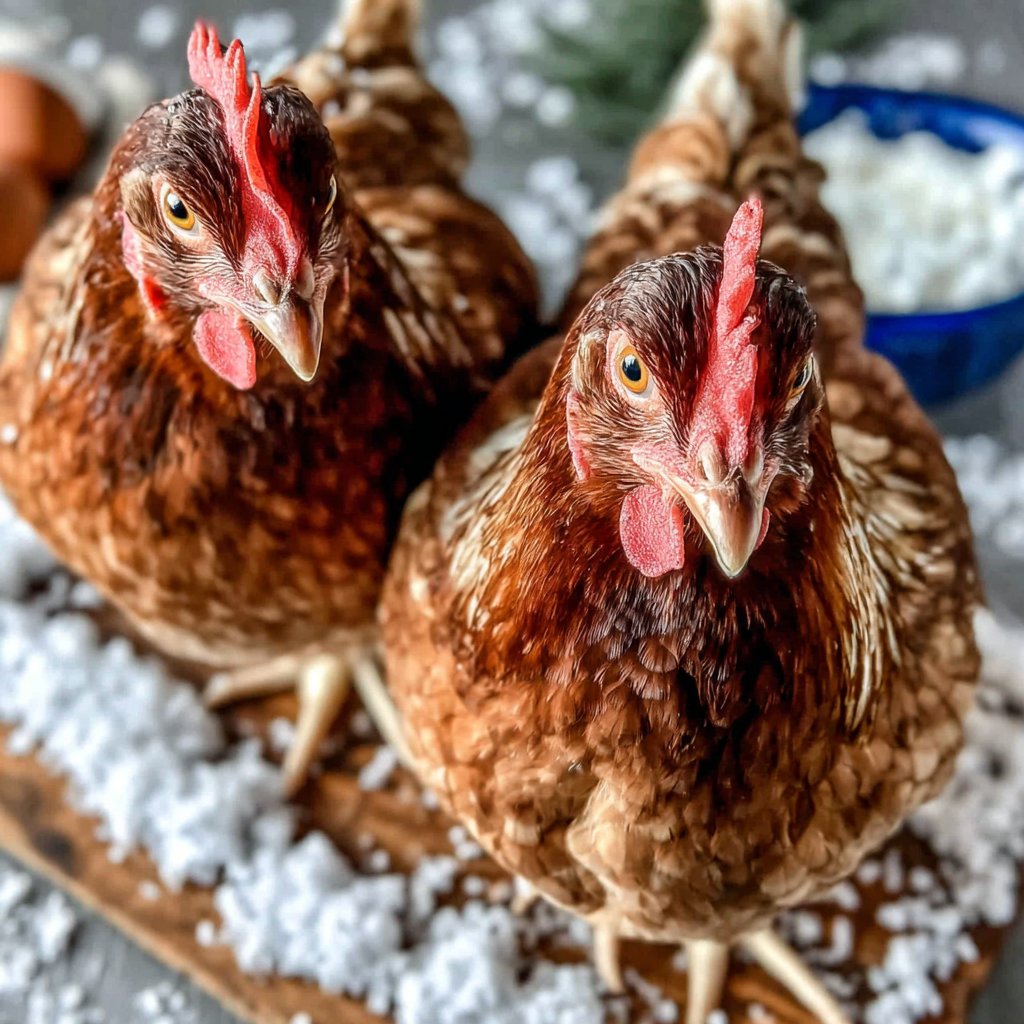
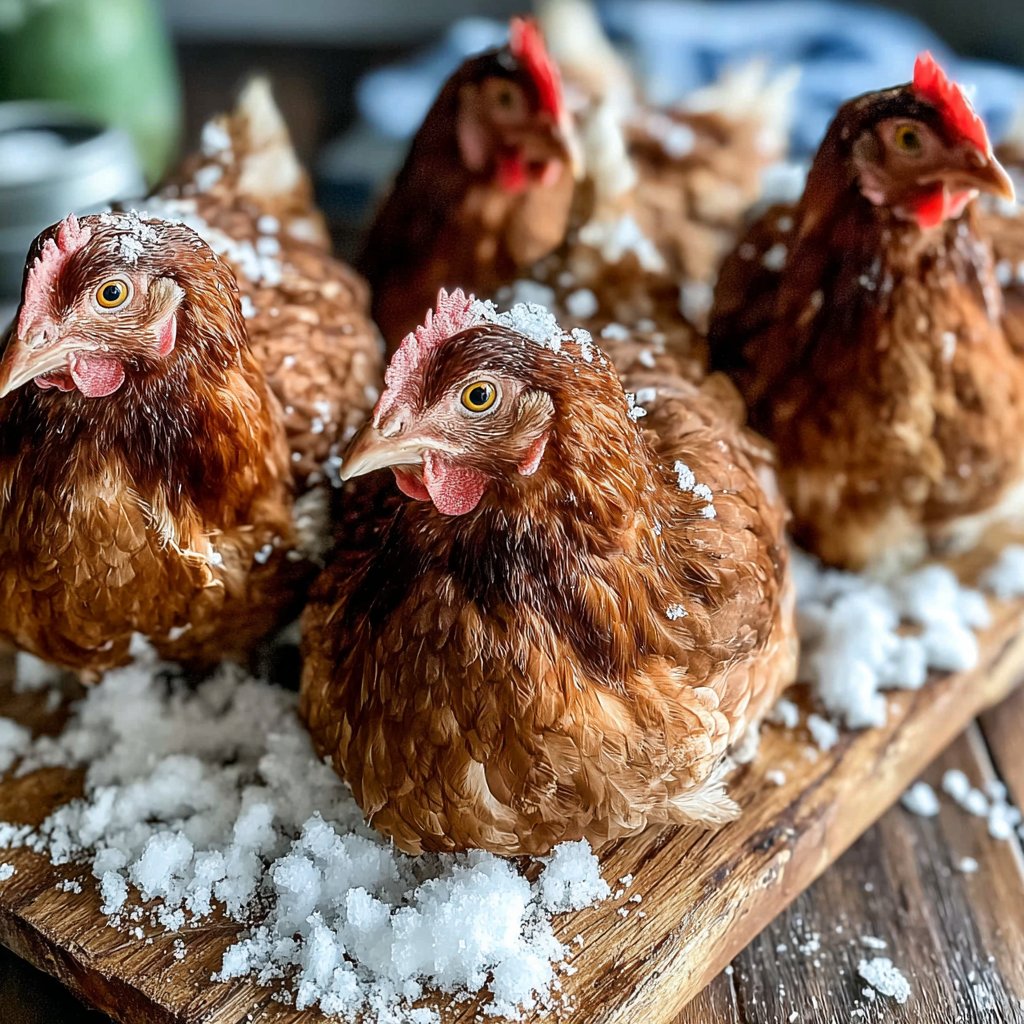
When I first started raising chickens, I quickly learned that keeping them comfortable during cold winters is a must. After experimenting with various ideas, I've discovered several effective strategies that ensure my chickens stay warm and happy, even when the temperatures dip. From insulated shelters to cozy bedding and windbreaks, each idea integrates into the run seamlessly while promoting a healthy environment. I’m excited to share these options with you so that your feathered friends can thrive in frostier climates too!
After facing my first winter with chickens, I realized how essential it was to keep their run secure and warm. I tried various insulation techniques for their coop, and I was pleased to find that adding straw and tarps significantly improved their comfort. It’s incredible how something so simple can make such a difference in their daily lives.
One of my best discoveries was to create windbreaks using hay bales, which not only shielded them from harsh winds but also added an extra layer of insulation. Observing them comfortably cluck around in their cozy environment brought me joy and reinforced my commitment to their well-being during the colder months.
Why You'll Love These Ideas
- Simple and cost-effective solutions for cold weather
- Enhances chicken comfort and health during winter
- Protects your chickens from harsh elements
Building an Insulated Shelter
Creating an insulated shelter for your chickens is one of the most effective strategies for keeping them warm during the cold months. A well-insulated coop helps retain heat, which is essential for your birds' comfort. Use materials like foam board insulation or straw bales to line the walls, and ensure that there are no gaps where cold air can seep in. Additionally, consider elevating the coop to prevent cold drafts from the ground, which can chill your chickens more rapidly.
Ventilation is crucial, even in winter, to prevent moisture buildup from droppings and to promote fresh air circulation. Install vents near the top of your coop where warm air can escape, but be mindful to cover openings with hardware cloth to keep out predators. I recommend checking your coop every few weeks for any signs of moisture or condensation, as an overly damp environment can lead to health issues for your flock.
Creating Cozy Bedding
Bedding plays a significant role in keeping your chickens comfortable and warm during winter. Use materials like straw or wood shavings, which provide excellent insulation. I like to create a thick layer of bedding—at least 6 to 8 inches—to allow for natural body heat retention. This depth not only keeps the coop warm but also helps manage ammonia odors from droppings, especially in enclosed spaces.
Regularly mixing the bedding will help speed up decomposition and maintain a healthy coop environment. Additionally, adding a sprinkle of herbs like oregano or thyme can provide some natural pest-repellent properties. If you notice the bedding becoming compacted or overly soiled, it's time for a change to keep the area fresh and comfortable for your chickens.
Implementing Windbreaks
Windbreaks are crucial in protecting your chickens from harsh winter winds. These can be as simple as installing tarp or plywood panels around the run to shield your flock from biting winds. Make sure to position these structures strategically, ensuring that they block the prevailing wind without restricting access to sunny spots, which is vital for regulating body temperature during sunny days. I’ve found that a properly positioned windbreak can increase the comfort level significantly, allowing your chickens to thrive even when the temperature drops.
Planting evergreen shrubs or installing a row of hay bales can also serve as natural windbreaks while enhancing the aesthetics of your setup. Keep in mind that windbreaks should be tall enough to provide adequate coverage, so consider the heights of your chickens and the anticipated wind conditions of your area.
Pro Tips
- Consider using heat lamps or heated waterers to provide extra warmth for your chickens, especially during the coldest nights. Make sure to monitor them regularly to ensure they are safe and comfortable.
Make-ahead and Storage
Although the ideas presented here primarily concern chicken comfort, you might also want to prepare your coop well ahead of the winter season. Consider performing a thorough inspection and maintenance check during the fall, so your shelter and protective structures are ready to go when the first snow arrives. This preparation will save you time during the chilly months and ensure that your chickens have everything they need to thrive.
If you're using bedding materials like straw, be sure to source enough for the entire winter. It's best to store extra bedding in a dry location, as moisture can lead to mold growth, which can be harmful to your chickens. Keeping these materials on hand will allow you to easily maintain their environment without unnecessary delays.
Troubleshooting Common Issues
Even with the best preparations, you may encounter some common winter challenges. One issue can be frostbite on combs and wattles, particularly in breeds with larger features. A simple solution is to apply a thin layer of petroleum jelly to these areas to provide a barrier against the cold. Regularly check on your chickens to catch any signs of frostbite early, as treating it promptly can save your birds from serious discomfort.
Additionally, if you notice that your chickens are reluctant to leave the coop on particularly chilly days, it may be worth considering adding a heat lamp for supplemental warmth. However, be careful to use heat sources that are safe and properly shielded to prevent fire hazards. Always monitor the temperature inside the coop and adjust accordingly to prevent overheating, which can be just as harmful as cold.
Questions About Recipes
→ What materials can I use for insulating a chicken coop?
You can use straw bales, insulated panels, or even repurposed blankets as effective insulation methods.
→ How can I prevent frostbite on my chickens' combs?
Using a safe, non-toxic oil on their combs can help to protect them from frostbite as it provides a layer of moisture.
→ Is it necessary to heat a chicken coop?
While many chickens can tolerate cold weather, supplemental heating may be necessary in extreme conditions to keep them comfortable.
→ How often should I check on my chickens in winter?
It's a good idea to check on them daily to ensure they have enough food, water, and that their living space is clean and dry.
Chicken Run Ideas For Cold Climates
Extra Tips
- Consider using heat lamps or heated waterers to provide extra warmth for your chickens, especially during the coldest nights. Make sure to monitor them regularly to ensure they are safe and comfortable.
Nutritional Breakdown (Per Serving)
- Calories: N/A
- Total Fat: N/A
- Saturated Fat: N/A
- Cholesterol: N/A
- Sodium: N/A
- Total Carbohydrates: N/A
- Dietary Fiber: N/A
- Sugars: N/A
- Protein: N/A