Korean Bibimbap
Highlighted under: Global Meals
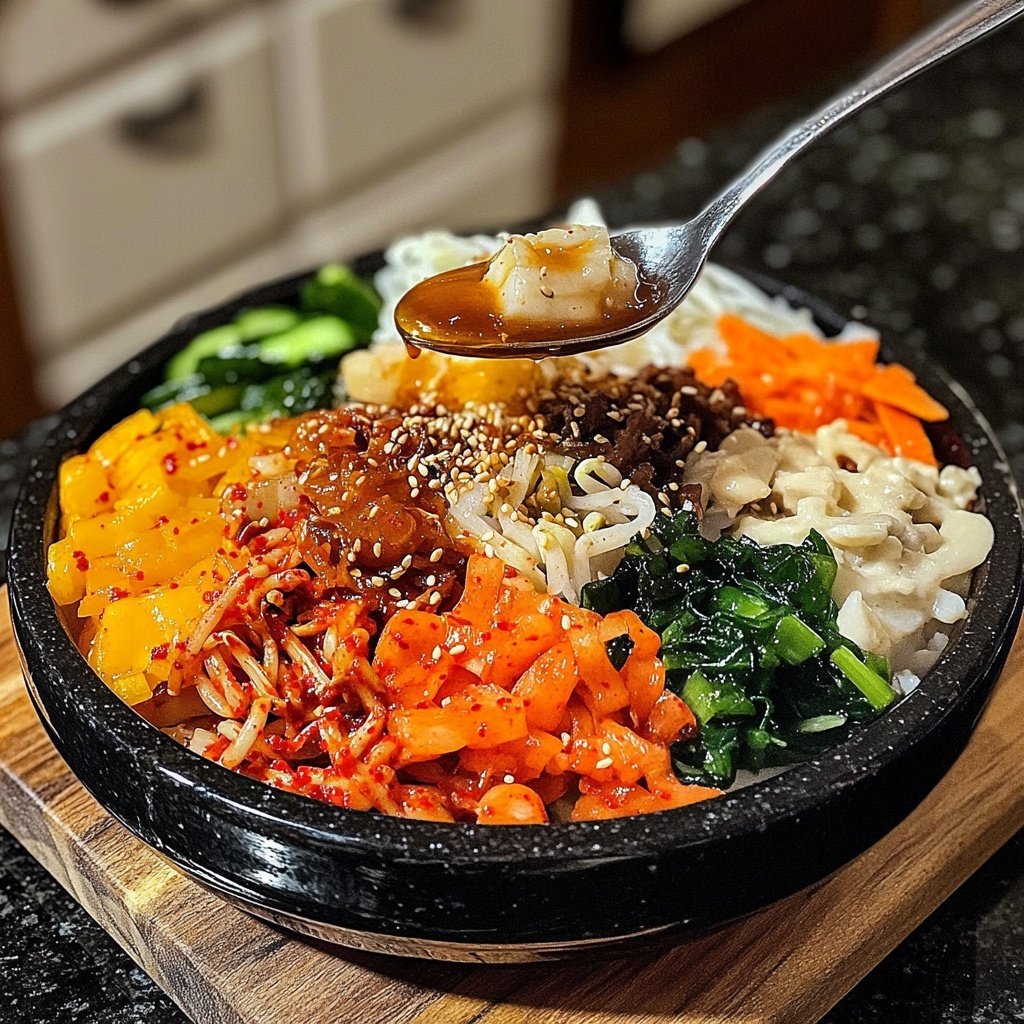
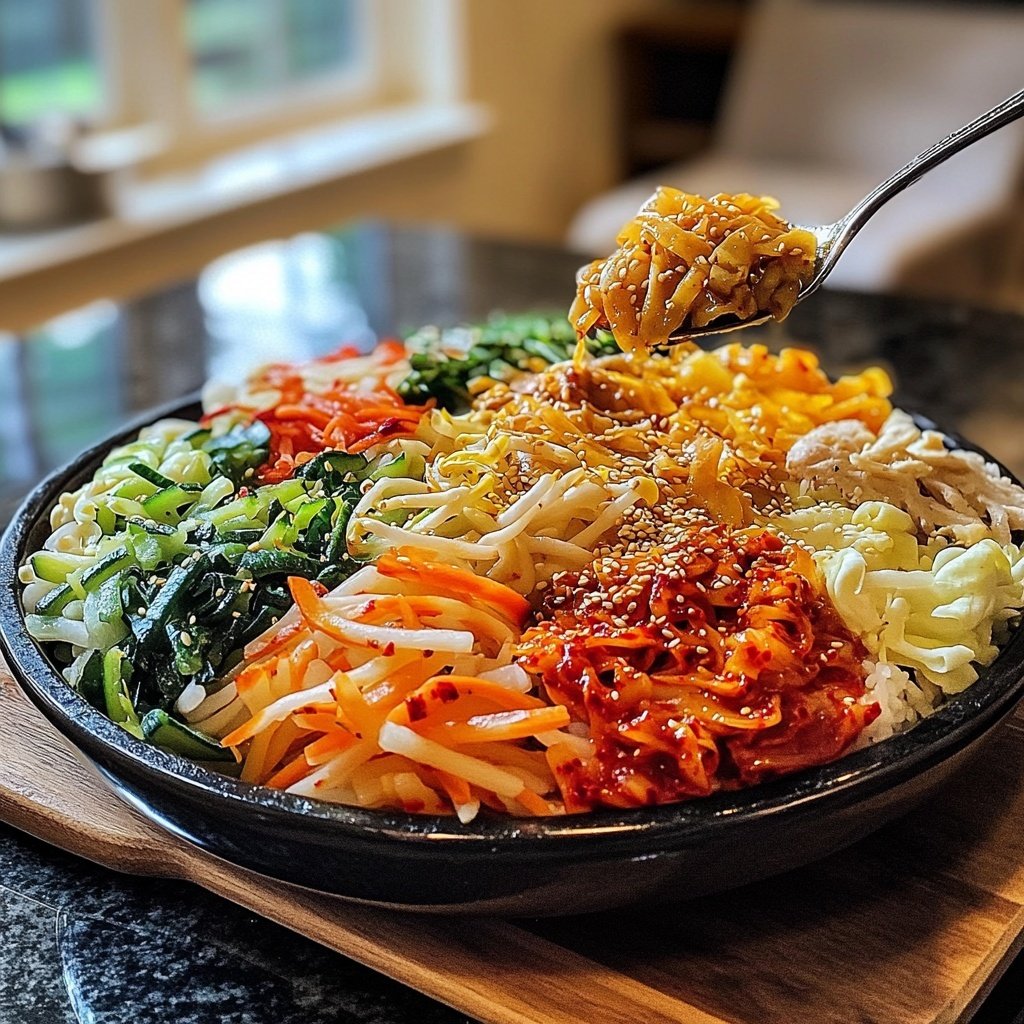
Korean Bibimbap is a vibrant and nutritious dish that combines rice, vegetables, and protein, topped with a fried egg and spicy gochujang sauce.
Korean Bibimbap is more than just a meal; it's a canvas of flavors, colors, and textures that reflect the beautiful Korean cuisine. Each ingredient is carefully selected to create a harmonious balance, making every bite a delightful experience.
Why You'll Love This Recipe
- A colorful and nutritious meal in one bowl
- Endless customization with your favorite vegetables and proteins
- The perfect blend of spicy and savory flavors
The Origins of Bibimbap
Bibimbap is a beloved dish in Korean cuisine, known for its harmonious blend of flavors and textures. The name 'bibimbap' translates to 'mixed rice,' reflecting the dish's preparation method where various ingredients are combined. Traditionally, it was a way to use up leftover vegetables and meats, making it both a practical and delicious meal.
The dish has a rich history, dating back to the late 19th century, when it was served as a royal meal. Over the years, bibimbap has evolved, incorporating regional ingredients and flavors, making each version unique. Today, it is enjoyed worldwide, celebrated for its vibrant presentation and wholesome ingredients.
Nutritional Benefits
Korean Bibimbap is not just a feast for the eyes; it’s also incredibly nutritious. Packed with a variety of vegetables, this dish provides essential vitamins, minerals, and dietary fiber. The inclusion of protein, whether from eggs, tofu, or meat, makes it a well-rounded meal that satisfies your hunger and supports a balanced diet.
The use of gochujang adds a kick of flavor while also offering health benefits. This fermented chili paste is known for its antioxidant properties and can boost metabolism. By customizing bibimbap with your favorite ingredients, you can ensure that each serving meets your nutritional needs while tantalizing your taste buds.
Customizing Your Bibimbap
One of the best aspects of bibimbap is its versatility. You can easily customize it based on your preferences or seasonal ingredients. Try swapping the spinach for kale or adding mushrooms for an umami boost. If you're looking for a vegetarian option, tofu or tempeh can serve as excellent protein alternatives.
Don’t hesitate to experiment with different sauces and toppings as well. While gochujang is traditional, a drizzle of soy sauce or a sprinkle of crushed garlic can elevate the dish. The possibilities are endless, allowing you to create a bibimbap that is uniquely yours.
Ingredients
Gather your ingredients for a delicious bowl of Korean Bibimbap!
Ingredients
- 2 cups cooked white rice
- 1 cup spinach, blanched
- 1 cup carrots, julienned
- 1 cup zucchini, julienned
- 1 cup bean sprouts, blanched
- 4 eggs
- 4 tablespoons gochujang (Korean chili paste)
- 2 tablespoons sesame oil
- 1 tablespoon soy sauce
- 1 tablespoon sesame seeds
- Salt and pepper to taste
Make sure to have everything prepped before you start cooking for the best results.
Instructions
Follow these steps to create your own delicious Korean Bibimbap!
Prepare the Vegetables
In a skillet, heat sesame oil over medium heat. Sauté the carrots and zucchini separately until tender. Blanch the spinach and bean sprouts in boiling water for a couple of minutes, then drain and season with salt and sesame oil.
Cook the Eggs
In the same skillet, fry the eggs sunny-side up until the whites are set and the yolks are still runny.
Assemble the Bibimbap
In a bowl, place a serving of rice at the bottom. Arrange the sautéed vegetables, bean sprouts, and spinach on top of the rice. Place the fried egg in the center and drizzle with gochujang. Sprinkle sesame seeds over the top.
Serve
Mix everything together before eating to enjoy the full flavor. Adjust gochujang to taste for more spice.
Enjoy your homemade Korean Bibimbap!
Pro Tips
- Feel free to add your favorite proteins such as beef, chicken, or tofu for additional flavor and nutrition.
Storing Leftovers
If you find yourself with leftover bibimbap, storing it properly is key to enjoying it later. Keep the ingredients separate if possible, especially the fried egg and gochujang. Store the rice and vegetables in airtight containers in the refrigerator, and they can last for up to three days.
When you're ready to enjoy your leftovers, simply reheat the rice and vegetables in a skillet or microwave. Fry a fresh egg to top it off, and add additional gochujang to bring the flavors back to life. This way, you can savor the delightful taste of bibimbap even after the initial meal.
Pairing Suggestions
To enhance your bibimbap experience, consider pairing it with traditional Korean side dishes known as banchan. Kimchi, pickled radishes, or seasoned seaweed salad are excellent choices that complement the flavors of the bibimbap while adding variety to your meal.
For beverages, a refreshing glass of iced barley tea or a light lager beer can balance the spicy notes of the dish. If you prefer non-alcoholic options, a fruit-infused sparkling water can provide a nice contrast to the savory elements of bibimbap.
Questions About Recipes
→ Can I make Bibimbap vegetarian?
Absolutely! Just skip the egg or use a plant-based alternative.
→ What can I substitute for gochujang?
You can use a mix of red chili paste and a bit of sugar as a substitute.
→ How can I store leftovers?
Store each component separately in airtight containers in the fridge for up to 3 days.
→ Can I use brown rice instead of white rice?
Yes, brown rice is a great healthier alternative and adds a nutty flavor.
Korean Bibimbap
Created by: Yvette Harrington
Recipe Type: Global Meals
Skill Level: Intermediate
Final Quantity: 4 servings
What You'll Need
Ingredients
- 2 cups cooked white rice
- 1 cup spinach, blanched
- 1 cup carrots, julienned
- 1 cup zucchini, julienned
- 1 cup bean sprouts, blanched
- 4 eggs
- 4 tablespoons gochujang (Korean chili paste)
- 2 tablespoons sesame oil
- 1 tablespoon soy sauce
- 1 tablespoon sesame seeds
- Salt and pepper to taste
How-To Steps
In a skillet, heat sesame oil over medium heat. Sauté the carrots and zucchini separately until tender. Blanch the spinach and bean sprouts in boiling water for a couple of minutes, then drain and season with salt and sesame oil.
In the same skillet, fry the eggs sunny-side up until the whites are set and the yolks are still runny.
In a bowl, place a serving of rice at the bottom. Arrange the sautéed vegetables, bean sprouts, and spinach on top of the rice. Place the fried egg in the center and drizzle with gochujang. Sprinkle sesame seeds over the top.
Mix everything together before eating to enjoy the full flavor. Adjust gochujang to taste for more spice.
Extra Tips
- Feel free to add your favorite proteins such as beef, chicken, or tofu for additional flavor and nutrition.
Nutritional Breakdown (Per Serving)
- Calories: 500 kcal
- Total Fat: 20g
- Saturated Fat: 4g
- Cholesterol: 186mg
- Sodium: 600mg
- Total Carbohydrates: 70g
- Dietary Fiber: 4g
- Sugars: 5g
- Protein: 16g